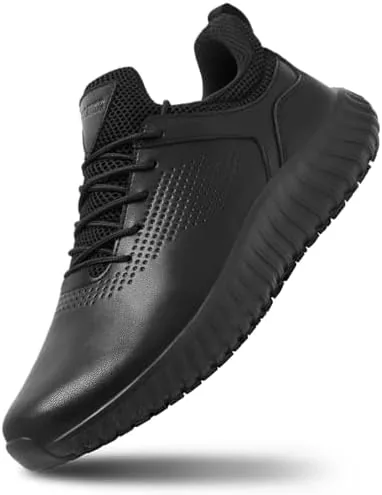
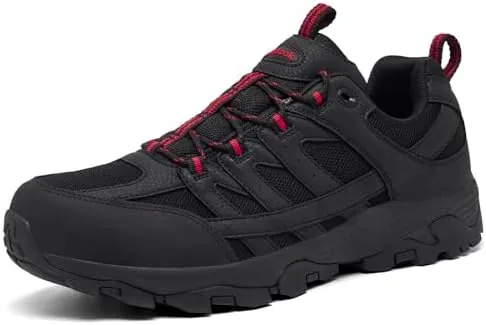
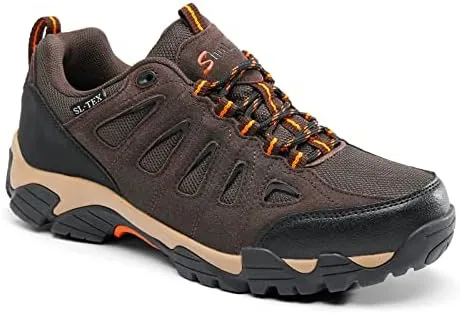
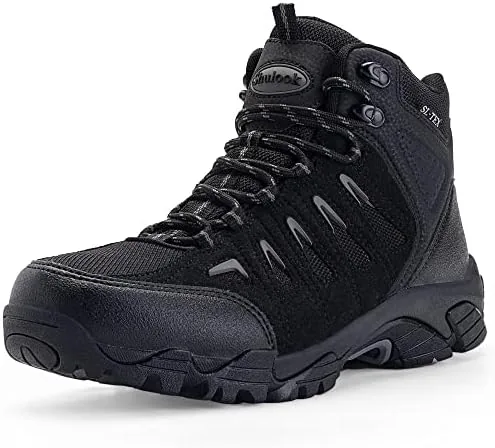
Shulook — Men's Hiking Shoes
Built for Trail Seekers Who Refuse to Overpay
Shulook Men's Hiking Shoes represent a fundamental shift in how outdoor enthusiasts approach trail footwear. Founded in 2019 with a clear mission, this brand exists to democratize access to professional-grade hiking gear. The philosophy is straightforward: every person deserves reliable, waterproof trail shoes that perform at elevation without demanding premium prices. This commitment drives every design decision, from the proprietary SL-TEX membrane to the precisely engineered EVA cushioning systems.
The target audience spans experienced hikers tackling technical terrain and newcomers taking their first steps on local trails. Backpackers planning multi-day expeditions find equal value alongside casual walkers exploring state parks on weekend mornings. Travelers seeking versatile footwear that transitions from airport terminals to mountain paths discover these shoes meet both demands without compromise.
What distinguishes this brand from established outdoor giants is the refusal to accept industry pricing conventions. Rather than marking up products based on brand prestige, Shulook channels resources directly into materials and construction. The result delivers performance specifications that rival shoes costing twice as much, opening outdoor adventures to hikers who previously considered quality trail footwear beyond their budget.
From Day Trails to Mountain Summits: The Complete Collection
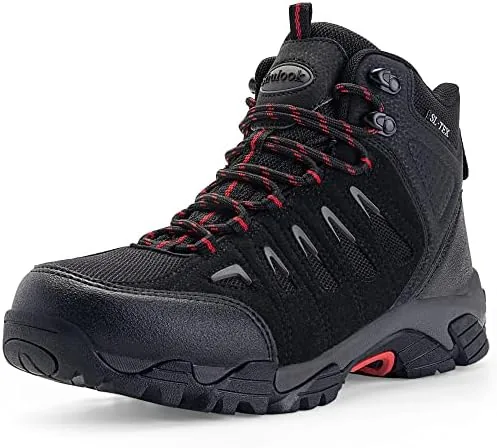
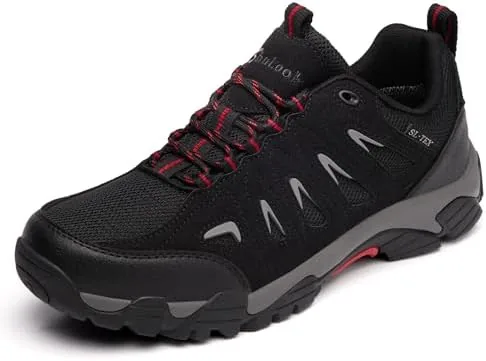
The product range addresses every hiking scenario men encounter throughout their outdoor pursuits. Low-top designs dominate the collection, offering the ankle flexibility that experienced trail runners and day hikers prefer. These silhouettes reduce weight while maintaining structural support through reinforced heel counters and secure lacing systems that lock the foot in place during technical descents.
Each model incorporates the signature SL-TEX waterproof membrane as standard, eliminating confusion about which shoes handle wet conditions. Whether crossing shallow streams, hiking through morning dew, or navigating unexpected rain showers, every option in the lineup provides identical moisture protection. This consistency simplifies purchasing decisions while ensuring buyers receive waterproof performance regardless of their selection.
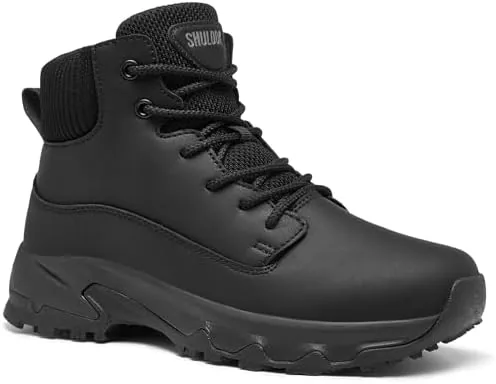
Color variations and aesthetic choices cater to different preferences without compromising functionality. Neutral earth tones blend seamlessly with natural environments, while bolder accent colors offer visibility on crowded trails. The design team balances outdoor performance requirements with contemporary styling that transitions appropriately to casual settings after the hike concludes.
The SL-TEX Membrane: Waterproofing Without Compromise
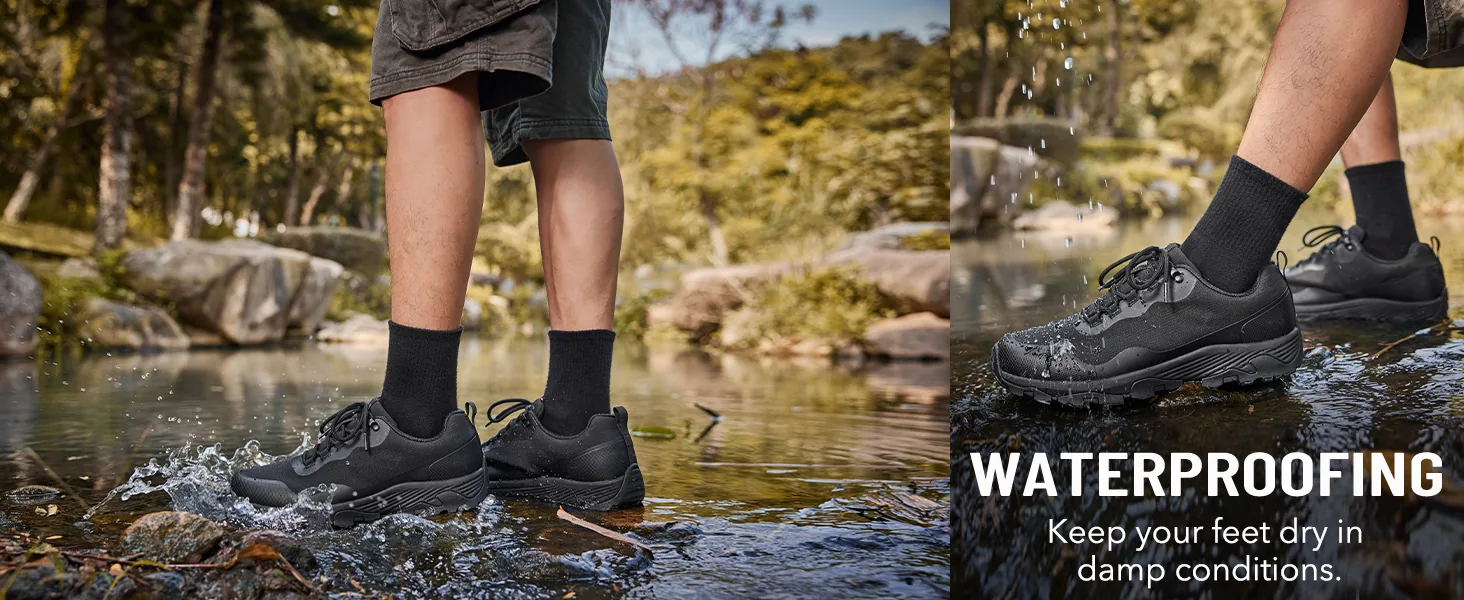
The proprietary SL-TEX waterproof membrane represents the technological cornerstone distinguishing these hiking shoes from competitors. Unlike basic water-resistant treatments that deteriorate after repeated exposure, this membrane creates a permanent barrier integrated directly into the shoe construction. Water molecules cannot penetrate from outside, yet the microporous structure allows internal vapor to escape. This dual functionality prevents the swampy discomfort that plagues inferior waterproof shoes during extended wear.
Development of the SL-TEX system required extensive testing across varied conditions and climates. Engineers optimized pore sizing to maximize breathability while maintaining complete water exclusion during submersion tests. The membrane withstands continuous wet exposure without degradation, meaning shoes purchased today deliver identical waterproof performance years later with proper care.
Implementation extends beyond simply layering membrane material within the upper construction. The closed-cell tongue design complements waterproof protection by sealing the primary entry point where debris and moisture typically infiltrate traditional hiking footwear. Sand, small stones, and water cannot work through tongue stitching or gusset openings, maintaining interior cleanliness throughout demanding trail days.
This engineering approach acknowledges that true waterproof performance requires system-wide thinking rather than isolated solutions. Every seam receives waterproof treatment. Every panel junction maintains the moisture barrier. The result delivers confidence during creek crossings and rainstorms that simply applying spray-on treatments to conventional shoes cannot replicate.
Shulook Men's Hiking Shoes: Core Features That Define Trail Performance
- SL-TEX Waterproof Technology The proprietary membrane blocks external moisture completely while allowing internal vapor to escape, maintaining dry comfort during creek crossings and unexpected rain.
- EVA and Rubber Outsole System Dual-density construction pairs shock-absorbing EVA midsoles with aggressive rubber treads, delivering cushioned landings and reliable grip across wet rocks, loose gravel, and muddy trails.
- Memory Foam Removable Insoles Premium memory foam conforms to individual foot contours while providing arch support that prevents fatigue during all-day excursions. The removable design allows easy cleaning and custom orthotic substitution.
- Closed-Cell Tongue Construction Gusseted tongue design attaches directly to the upper, creating a sealed barrier that prevents sand, pebbles, and debris from entering during trail travel.
- Lightweight Build Philosophy Strategic material selection reduces overall weight without sacrificing durability, allowing hikers to cover more miles with less leg fatigue compared to heavier traditional boots.
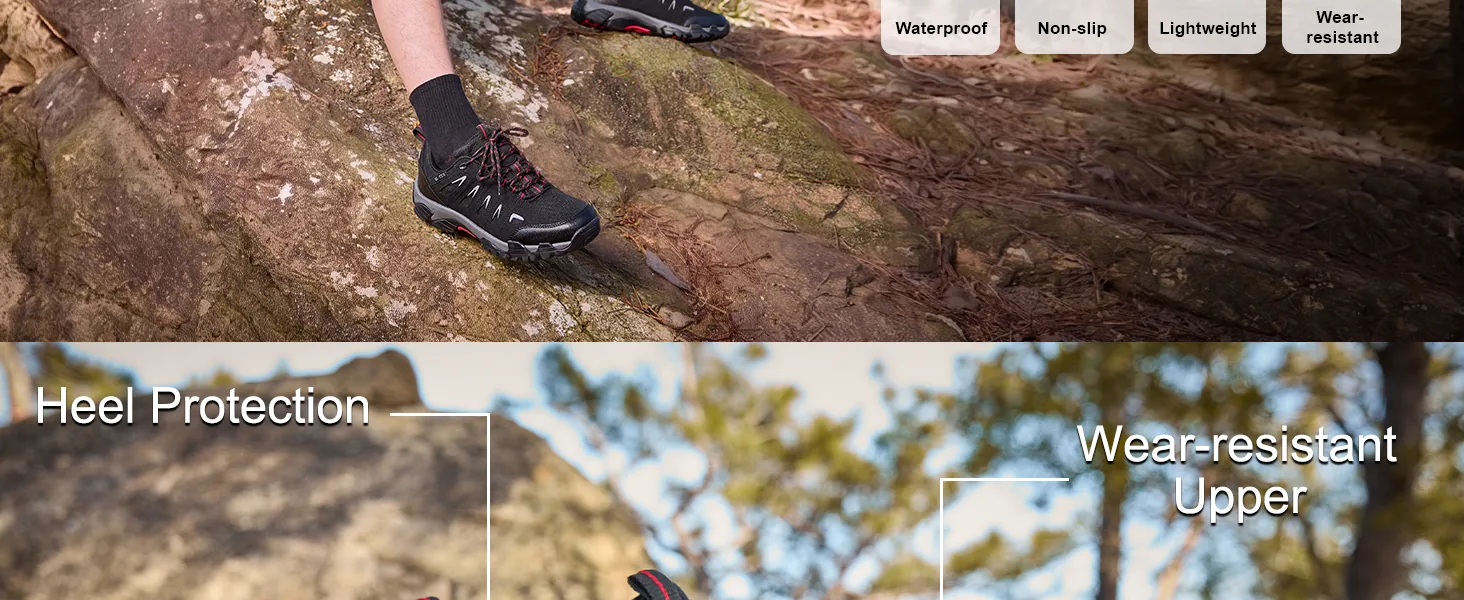
- Reinforced Toe Protection Rubber toe caps shield against rock impacts and root strikes common on technical terrain, extending shoe lifespan while protecting feet from trail hazards.
Trail-Tested Favorites That Hikers Return For
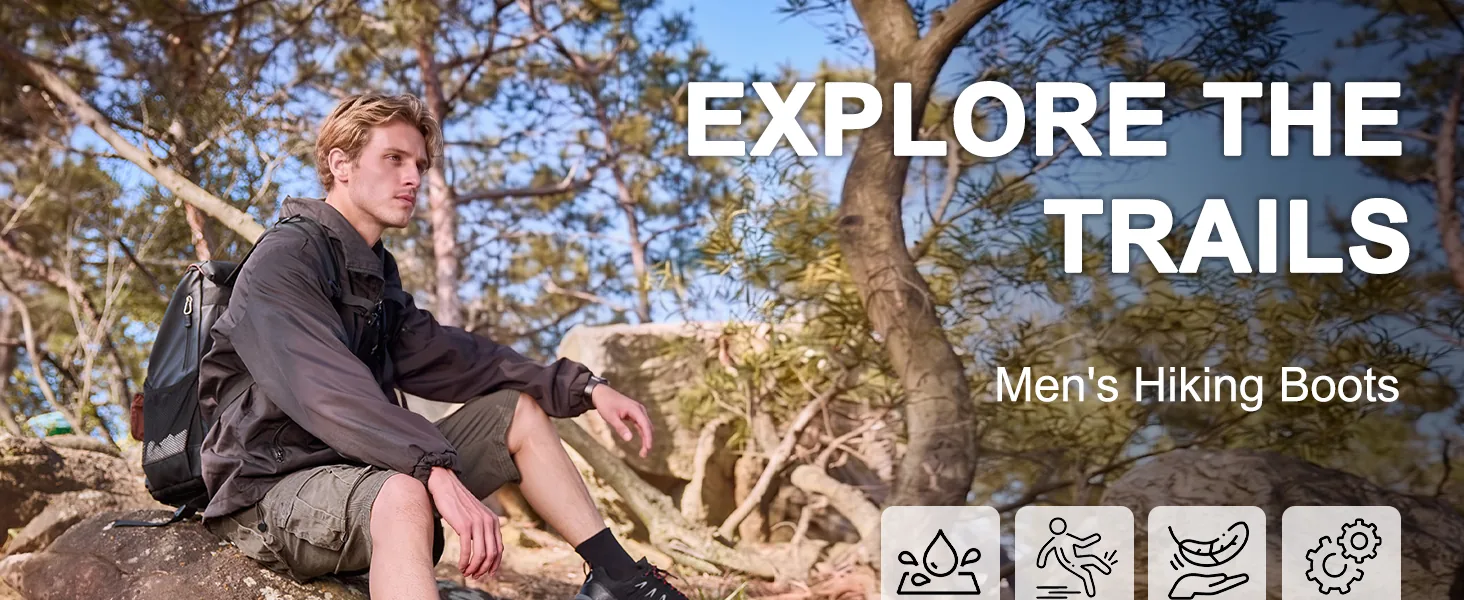
The low-profile waterproof trail shoe consistently ranks among the most frequently purchased options in the men's collection. Hikers appreciate how this model balances protection with agility, offering enough structure for loaded backpacks while maintaining the ground feel that technical terrain navigation demands. Repeat purchasers often cite lasting comfort during 15-mile days as their primary motivation for ordering additional pairs.
Versatility drives popularity across the product range, with many customers reporting their hiking shoes double as everyday outdoor footwear. The aesthetic design translates appropriately to casual settings, eliminating the need to pack separate shoes when traveling. This dual-purpose functionality appeals particularly to backpackers managing strict weight limits.
Customer feedback consistently highlights the value proposition as a key satisfaction driver. Hikers previously spending significantly more on competitor brands discover comparable performance at accessible price points. Many reviewers express surprise that shoes in this category deliver waterproof reliability and cushioned comfort that matches or exceeds their expectations based on higher-priced alternatives.
EVA Cushioning, Rubber Grip, and the Materials Behind Every Step
The midsole construction utilizes EVA foam compounds engineered specifically for trail impact absorption. Unlike basic foam that compresses permanently under repeated stress, this formulation maintains rebound characteristics throughout the shoe's lifespan. Each heel strike receives consistent cushioning whether the shoes are new or have logged hundreds of trail miles. The energy return properties reduce leg fatigue during extended hikes, particularly noticeable during steep descents where impact forces multiply.
Outsole rubber blends prioritize grip across varied surfaces without sacrificing durability. The compound adheres confidently to wet granite, maintains traction on decomposed granite trails, and bites effectively into muddy conditions. Lug patterns feature multidirectional designs that grip during ascents while providing braking control on downhill sections. The rubber hardness balances longevity with flexibility, avoiding the stiffness that causes discomfort during boulder scrambling or technical traverses.
Upper materials combine synthetic textiles with strategic reinforcement panels placed at high-wear zones. The primary mesh sections maximize breathability in non-waterproof areas while remaining durably resistant to abrasion from brush contact and rock scrapes. Heel counters provide internal structure that locks feet in place during lateral movements without creating pressure points. Every material selection reflects thousands of hours analyzing how hiking shoes fail, then engineering solutions that extend functional lifespan.
All-Day Comfort From Trailhead to Summit and Back
Performance testing across actual trail conditions reveals consistent results that laboratory specifications alone cannot capture. Hikers report maintaining comfortable foot temperatures during warm-weather hikes thanks to the vapor-permeable SL-TEX membrane working in concert with breathable upper sections. The system prevents overheating while keeping moisture out, a balance that lesser waterproof designs fail to achieve.
Durability assessments from long-term users indicate these shoes withstand demanding use schedules without premature failure. Hikers logging weekly trail miles across multiple seasons report outsole treads maintaining effective grip well beyond expected replacement intervals. The stitching throughout the upper construction resists fraying even after repeated exposure to brush, rocks, and creek crossings.
Real-world arch support performance exceeds what the affordable price point might suggest. The memory foam insoles conform progressively to individual foot anatomy over initial wear sessions, then maintain that customized shape. Users with mild arch concerns report adequate support without requiring aftermarket orthotic purchases. Those with specific orthotic requirements appreciate the removable insole design that accommodates custom solutions.
Wet-condition testing validates the waterproof claims under practical circumstances. Users crossing shallow streams confirm dry interiors even during extended water exposure. Rainy trail days fail to compromise internal comfort. The sealed tongue construction proves particularly valuable, preventing the gradual seepage that defeats many competing waterproof designs at the ankle opening.
Getting Maximum Performance From Your Shulook Men's Hiking Shoes
- Break-In Protocol Wear new shoes for short walks during the first week, gradually increasing distance. The memory foam insoles require several sessions to fully conform to your foot shape for optimal arch support.
- Lacing Technique Matters Adjust tension zones based on terrain. Looser forefoot lacing improves circulation during flat sections, while tighter heel-lock lacing prevents slippage on steep descents.
- Sock Selection Impact Pair with moisture-wicking hiking socks that complement the SL-TEX membrane's breathability. Avoid cotton socks that trap moisture against skin regardless of shoe waterproofing.
- Pre-Hike Inspection Habit Check outsole condition and remove embedded stones before each outing. Small debris caught in lugs reduces traction and accelerates uneven tread wear patterns.
- Post-Hike Drying Routine Remove insoles after wet hikes and allow shoes to air dry away from direct heat sources. Stuffing with newspaper accelerates moisture removal without damaging materials.
- Storage Considerations Store in cool, dry locations away from direct sunlight. UV exposure degrades upper materials over time, while dampness promotes mildew growth inside waterproof constructions.
Finding Your Perfect Fit: Sizing and Width Guidance
Proper sizing ensures the performance features deliver their intended benefits throughout every hike. The general recommendation suggests ordering half a size larger than standard dress shoe sizes to accommodate the natural foot swelling that occurs during extended trail activity. This additional space prevents toe jamming during downhill sections while maintaining heel security through proper lacing technique.
Width considerations vary based on individual foot anatomy. The standard width fits most hikers comfortably, though those with particularly narrow feet should explore tightening options through alternative lacing patterns. Wide-footed hikers generally find adequate accommodation in standard sizes ordered half up, as the flexible upper materials conform somewhat to broader foot shapes during the break-in period.
Testing fit before committing to trail use prevents blisters and discomfort that ruin otherwise excellent hiking days. Walk on hard surfaces wearing intended hiking socks to assess heel slippage and forefoot room. The heel should remain planted during each step without visible lifting, while toes require enough forward space to avoid contact during simulated downhill walking positions.
Shulook Shoe Size Chart — Women's & Men's
| US Women's | US Men's | EU | UK | Foot Length (cm) | Foot Length (in) |
|---|---|---|---|---|---|
| 5 | 3.5 | 35 | 2.5 | 21.6 | 8.5 |
| 5.5 | 4 | 35–36 | 3 | 22.2 | 8.7 |
| 6 | 4.5 | 36 | 3.5 | 22.5 | 8.9 |
| 6.5 | 5 | 37 | 4 | 23.1 | 9.1 |
| 7 | 5.5 | 37–38 | 4.5 | 23.5 | 9.3 |
| 7.5 | 6 | 38 | 5 | 23.8 | 9.4 |
| 8 | 6.5 | 38–39 | 5.5 | 24.1 | 9.5 |
| 8.5 | 7 | 39 | 6 | 24.6 | 9.7 |
| 9 | 7.5 | 40 | 6.5 | 25.1 | 9.9 |
| 9.5 | 8 | 40–41 | 7 | 25.4 | 10.0 |
| 10 | 8.5 | 41 | 7.5 | 25.9 | 10.2 |
| 10.5 | 9 | 41–42 | 8 | 26.2 | 10.3 |
| 11 | 9.5 | 42 | 8.5 | 26.7 | 10.5 |
| 12 | 10.5 | 43 | 9.5 | 27.6 | 10.9 |
Shulook shoes run true to size for most customers. If you are between sizes or have wide feet, we recommend sizing up half a size.
The Ideal Choice for Budget-Conscious Outdoor Enthusiasts
Perfect For
- Day hikers exploring local trails weekly
- Backpackers managing gear budgets carefully
- Travelers needing versatile outdoor footwear
- Newcomers uncertain about long-term hiking commitment
- Families outfitting multiple hikers affordably
Consider Alternatives If
- Technical mountaineering requiring crampon compatibility
- Heavy pack weights exceeding 50 pounds regularly
- Ankle support requirements due to prior injuries
- Extreme cold weather demanding insulated options
- Professional guiding requiring brand-specific standards
Selecting the Right Men's Hiking Shoes Model for Your Adventures
Matching shoe selection to intended use ensures satisfaction with performance across varied hiking scenarios. Day hikers covering well-maintained trails benefit from lighter models prioritizing flexibility and breathability within the waterproof framework. These options reduce fatigue during casual outings while providing adequate protection for groomed paths and occasional stream crossings.
Multi-day trekking demands consideration of durability factors that shorter outings may not reveal. Hikers planning extended backpacking trips should evaluate outsole rubber compounds and upper reinforcement levels, selecting models built to withstand consecutive days of loaded pack travel across varied terrain. The additional weight investment in more robust construction pays dividends through reliable performance throughout week-long expeditions.
Terrain type influences optimal model selection significantly. Rocky, technical trails warrant maximum toe protection and aggressive outsole lugs. Hikers primarily traversing forest floors and dirt paths can prioritize cushioning and flexibility over protective features. Those facing mixed conditions benefit from versatile designs balancing multiple performance aspects without extreme specialization.
Climate considerations affect which membrane and breathability balance serves individual needs best. Hot-weather hikers should maximize airflow through breathable sections while maintaining waterproof protection for stream crossings. Cooler-climate users benefit from more sealed constructions that retain warmth while blocking moisture from rain and wet vegetation contact.
Shulook Men's Hiking Shoes vs. Leading Competitors
| Feature | Shulook | Merrell Moab 3 | Columbia Redmond |
|---|---|---|---|
| Waterproof Membrane | SL-TEX proprietary system | Gore-Tex (higher price models) | Omni-Tech membrane |
| Average Weight (per shoe) | Under 1 lb for most models | Approximately 1 lb 2 oz | Approximately 1 lb 1 oz |
| Removable Memory Foam Insole | Standard on all models | Varies by model | Not standard |
| Closed-Cell Tongue Design | Yes, debris protection | Bellows tongue on select models | Partial gusset only |
| Price Range | $50–80 | $100–165 | $85–120 |
| Break-In Period | Minimal, comfortable from first wear | Moderate, several hikes recommended | Moderate break-in required |
| Outsole Grip Rating | Multi-surface aggressive tread | Vibram TC5+ rubber | Omni-Grip non-marking |
Pricing reflects typical retail ranges and may vary by retailer and specific model selection.
Keeping Your Trail Shoes Ready for the Next Adventure
- Post-Hike Cleaning Remove loose dirt with a soft brush before it dries and hardens. For mud, allow partial drying then brush away residue without scraping aggressively against upper materials.
- Deep Cleaning Method Use lukewarm water and mild soap on a soft cloth for thorough cleaning. Avoid submerging shoes completely, and never use washing machines or dryers that damage waterproof membranes.
- Insole Maintenance Remove memory foam insoles weekly during active hiking seasons. Air separately from shoes and replace when compression prevents recovery to original thickness.
- Waterproofing Refresh Apply spray-on waterproof treatment to upper surfaces every 20–30 trail days. The SL-TEX membrane maintains internal protection, while external treatment preserves upper material water resistance.
- Outsole Inspection Check tread depth monthly during active use. Replace shoes when lugs wear below 2mm depth, as grip performance degrades significantly beyond this threshold.
- Off-Season Storage Clean thoroughly before extended storage periods. Insert shoe trees or crumpled paper to maintain shape, and store in breathable bags away from temperature extremes.